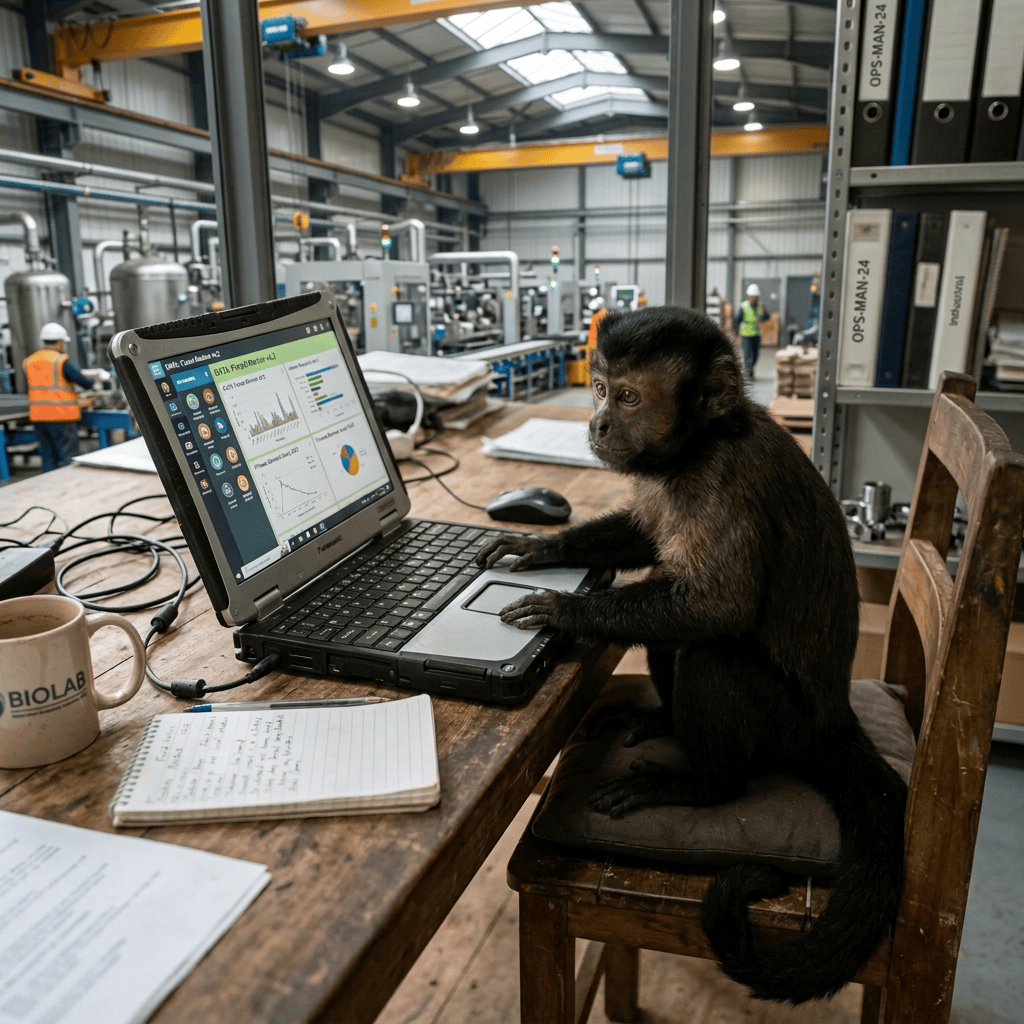
I’ve been following the discussion and concerns about artificial intelligence (AI). I took a moment to reflect on this idea of “artificial” being used to describe this form of intelligence. Is that actually the right word? I mean, it seems in many instances what we dub “artificial” is actually smarter than we are as humans. At what point does intelligence become ‘artificial’? Or, perhaps we should ask when does intelligence stop being ‘artificial’?
It seems to me that we use the term ‘artificial’ because this intelligence did not occur naturally or as the result of some biological process. Rather, it is a product of a manufacturing process that involves an infusion of human intelligence or intelligence capabilities.
When I think of it that way, then I too see the innate danger of creating machines that aggregates human intelligence (and its limitations) and fuels it with enormous amounts of natural resources upon which humans depend to stay alive.
Paradoxically, I asked AI to tell me when it makes sense to slow down this manufacturing process:
AI Overview
You should intentionally slow down or pause a manufacturing process when rising defect rates, high inventory costs, or severe supply chain bottlenecks threaten long-term efficiency and quality.
Key Reasons to Slow Production
- Quality Control Failures: High scrap or rework rates signal that machines or operators are moving too fast to maintain precision.
- Excess Inventory: Slowing down prevents overproduction and lowers expensive holding costs when market demand dips.
- Equipment Strain: Taking a strategic pause allows for necessary preventative maintenance before unexpected breakdowns halt the entire line.
- Supply Chain Buffers: Intentional pacing creates stability when raw material shortages make steady high-speed output impossible.
I admit it, using AI to help me with this post is fun. The potential for this technology on the good side is amazing. But, the opposite is equally true. Just as the same nuclear technology with the ability to generate power and to save lives equally has the capacity to destroy all life as we know it.
The big gamble is not one I think we should be prepared to make. If AI is more intelligent than we are and capable of doing so, will it help us survive or thrive in the wake of its existence? Or will it calculate that it can survive on its own and humans have become competition for the material resources required to expand production? Or, will AI simply make it so that those of us outside the billionaire class that created it (and helps sustain it) will forever be relegated to shoveling the metaphorical ‘coal’ into the engines of AI? Will geopolitical dominance become dependent on this relationship? Has it become so already?
 Sara L. Hinkel, M.S.Ed.